Why Dovetail Log Cabins in the U.S. Can Last Over 200 Years?【Ep.2】
In Episode 1, we explained why traditional American dovetail log cabins are known for their exceptional longevity, focusing on their ingenious structural system and traditional log joinery.
However, structural design alone does not explain how these homes have survived for more than two centuries. In reality, two key factors play a major role in the durability of log homes:
design strategies that protect wood from water and proper long-term maintenance.
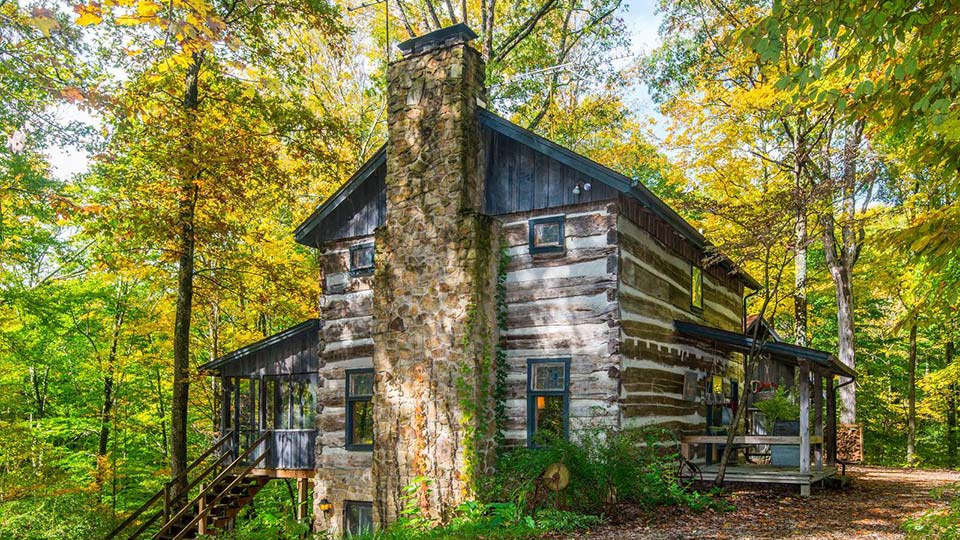
In this second episode, we will explore the design techniques and maintenance practices that allow dovetail log cabins to endure for generations.
– The Secrets of Design and Maintenance –
In Episode 1, we discussed how the structural design of dovetail log construction is highly rational and efficient. However, the lifespan of a log home is determined by more than its structure.
The most important principle is actually protecting the wood from water.
Wood is an incredibly strong natural material, but when exposed to moisture for long periods, it can eventually decay. For this reason, traditional log homes incorporate design features specifically intended to keep rainwater away from the structure.
▶ Long Roof Overhangs
One of the defining characteristics of dovetail log cabins is their long roof overhangs.
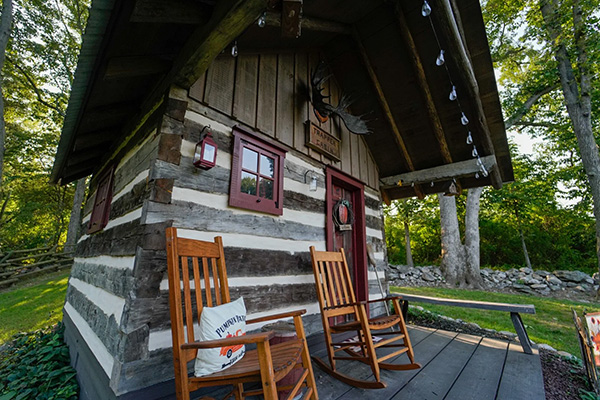
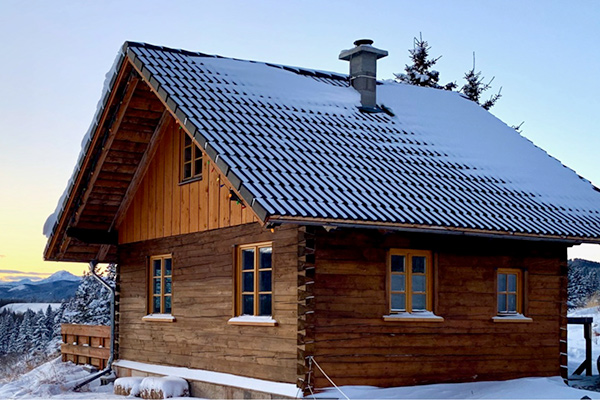
In many modern houses, roof overhangs are typically 30–60 cm (12–24 inches).
In contrast, traditional log cabins often feature overhangs of 90–120 cm (36–48 inches).
These longer overhangs help:
- Prevent rain from hitting the log walls
- Reduce ultraviolet exposure from sunlight
- Protect the wood from weather-related deterioration
By shielding the walls from direct rain and sun, the lifespan of the logs can be significantly extended.
▶ Elevated Foundations
When examining historic log cabins, you will often notice that the buildings are raised well above ground level.
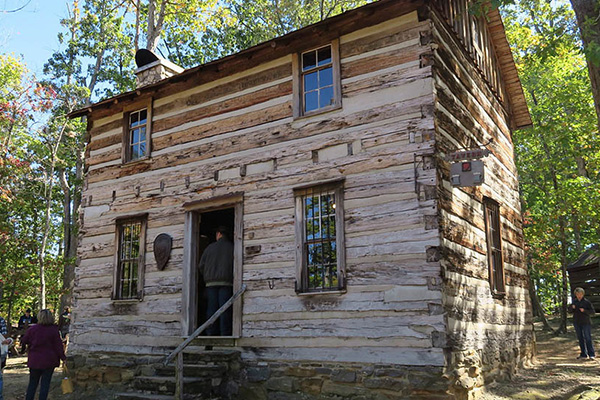
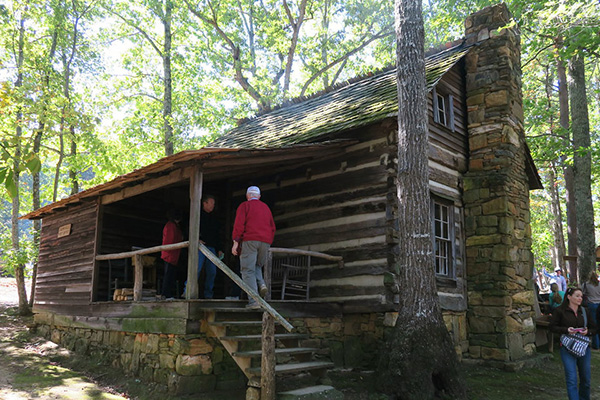
This elevated foundation serves several important purposes:
- Prevents rainwater splash-back from reaching the logs
- Reduces ground moisture exposure
- Improves airflow beneath the structure
Thanks to this design, the lower logs are much less likely to rot over time.
▶ The Role of Chinking
Traditional log homes also use a material called chinking to seal the gaps between logs.
Chinking acts similarly to a flexible sealant and serves several functions:
- Waterproofing
- Air sealing
- Insulation
Because chinking remains flexible, it can also adjust to the natural movement of logs as the wood expands or contracts over time. This flexibility helps maintain the durability of the wall system.
▶ Naturally Durable Wood Species
Many historic American log homes were built using naturally durable wood species such as:
- Eastern White Pine
- Oak
- Chestnut
In older log homes, builders often used large-diameter trees from old-growth forests.
These trees typically have:
- Slower growth rates
- Dense growth rings
- Higher natural resistance to decay
As a result, they provide extremely long-lasting structural material.
▶ Regular Maintenance
Another common factor among log homes that have survived for over 200 years is consistent maintenance.
Typical maintenance work includes:
- Exterior log staining or sealing
- Chinking repairs
- Roof replacement over time
Log homes are not houses that can simply be ignored for decades. However, they are very easy to repair and maintain, which contributes greatly to their long lifespan.
Summary
Dovetail log cabins in the United States can last for over 200 years because several key factors work together:
- Strong dovetail joinery
- Thick solid log walls
- Settling that tightens the structure
- Long roof overhangs
- Elevated foundations
- Flexible chinking
- Regular maintenance
In other words, the longevity of a log home depends on the balance of three essential elements:
Structure – Design – Maintenance
When these three elements are properly combined, a log cabin can become an incredibly durable structure.
A well-designed log home is more than just a house—it can become a true long-term asset passed down through generations.
The reason why American dovetail log cabins have survived for more than two centuries is not simply because they use thick and strong wood. Rather, it is the combination of rational joinery, weather-protective design, and proper maintenance that allows these homes to endure.
A log cabin is not merely a building. It is a home whose value grows over time.
From the perspective of creating homes that can be passed down through generations, dovetail log cabins remain one of the most fascinating and enduring architectural traditions.