Why Dovetail Log Cabins in the U.S. Can Last Over 200 Years?【Ep.1】
– The Secrets of Appalachian Log Homes –
Dovetail log cabins—often called Appalachian log homes—are known for their incredible durability. In many parts of the Appalachian region of the United States, log houses built more than 200 years ago are still standing today.
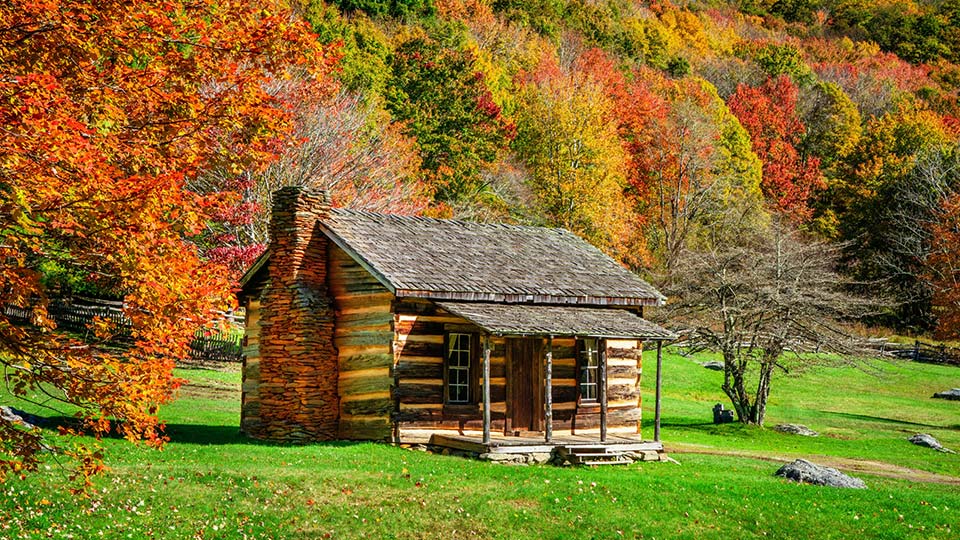
Why do these traditional homes last so long? The answer lies not only in the strength of the wood but also in the ingenious structural design of dovetail log construction.
In this article, we explore the structural principles and historical background that allow dovetail log cabins to remain strong for centuries.
– The History of Appalachian Log Homes –
Log houses became common in the Appalachian region during the 18th century, when European settlers introduced traditional log construction techniques.
Among the various styles of log construction, the dovetail notch became one of the most respected joinery methods because of its:
- Structural stability
- Resistance to weather
- Long-term durability
Because of these advantages, many dovetail log homes built in the 1700s and 1800s are still standing today.
▶ What Is a Dovetail Log Joint?
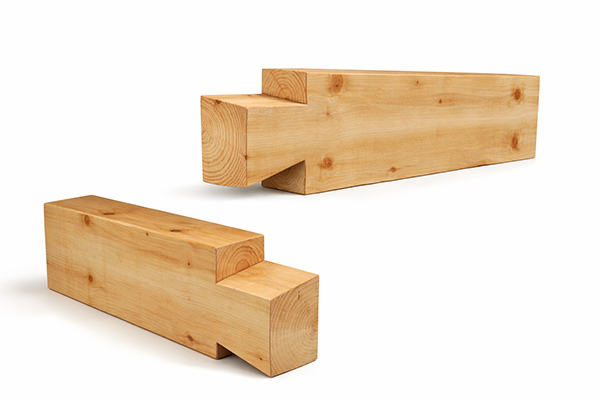
A dovetail joint is a traditional woodworking technique where the ends of logs are cut into a trapezoidal shape resembling a dove’s tail and interlocked with another log.
This joinery creates a mechanical lock that prevents the logs from sliding apart.
Key benefits of dovetail joints include:
- Strong interlocking connections
- Improved structural stability
- Excellent air-tightness
Once the logs are stacked and the structure carries weight, the joint becomes extremely secure.
▶ Why Dovetail Log Cabins Do Not Require Nails
Unlike conventional houses, dovetail log cabins rely primarily on wood joinery rather than nails or metal fasteners.
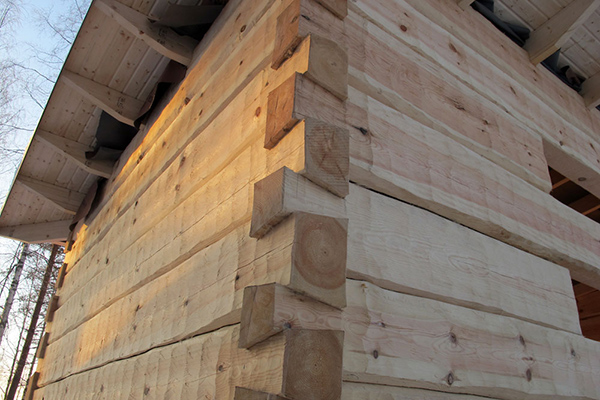
Logs are held together by:
- Precision-cut notches
- The natural weight of the structure
- Friction between logs
Because there are fewer metal components, the structure is less affected by corrosion or metal fatigue over time.
▶ Gravity Strengthens the Structure
One of the most fascinating characteristics of dovetail log cabins is that the structure becomes stronger as weight increases.
As logs are stacked, the weight of the upper logs compresses the joints below. Over time, the structure tightens naturally, increasing both stability and airtightness.
This principle is very different from modern framed houses, where structural stress can weaken connections.
▶ Settling: A Natural Advantage of Log Homes
As wood dries over time, log homes experience a natural process called settling.
While settling may be considered a structural concern in conventional buildings, in dovetail log cabins it actually improves performance.
As the logs shrink slightly, the joints tighten and gaps between logs decrease, creating a more solid wall structure.
▶ Thick Solid Log Walls
Dovetail log cabins typically use logs that are 20–40 cm (8–16 inches) thick.
This makes the wall thickness roughly two to four times thicker than standard framed walls.
Because the logs themselves serve as both structure and enclosure, the walls are incredibly strong and durable.
▶ Why So Many 200-Year-Old Log Homes Still Exist
The Appalachian region has thousands of historic log homes built during the 18th and 19th centuries.
Dovetail log cabins became especially popular because they are:
- Structurally efficient
- Resistant to rain
- Easy to repair and maintain
As a result, many of these homes have survived for over two centuries.
In Episode 2, we will explore additional reasons why dovetail log cabins can last more than 200 years, including:
- Roof design and rain protection
- Proper foundation height
- Wood drying techniques
- Long-term maintenance strategies
These elements reveal the true keys to the extraordinary lifespan of traditional log homes.









