The Characteristics and Differences Between Fireplaces and Wood Stoves Ep1
In recent decades, more and more ordinary homes have started installing fireplaces and wood stoves. But did you know that, strictly speaking, fireplaces and wood stoves are actually designed with different purposes in mind?
Fireplace vs. Wood Stove – Ep1

In countries like the United States and the United Kingdom, the word fireplace generally refers to an opening built into a wall where a fire is burned. In a broader sense, however, some people use the term to include certain types of wood-burning stoves as well.
In Japan, it is more common to see wood stoves installed inside the opening of a fireplace, or freestanding wood stoves placed independently in the room. Open, traditional-style fireplaces with an exposed opening are relatively rare.
Characteristics of Fireplaces and Wood Stoves
▷ Fireplace

A fireplace is usually a structure built into a wall or constructed with brick or stone, and its main purposes are to create atmosphere and provide heat. Most fireplaces are open-fronted, allowing you to burn firewood or gas and enjoy the flames directly.
They are highly decorative and play an important role as a focal point in the room, creating a relaxing atmosphere where you can sit and watch the fire. The crackling sound of burning wood also adds to the enjoyment and has a soothing, “healing music” effect.
However, fireplaces are generally not very efficient: a large amount of heat escapes through the chimney, so the actual heating performance is limited.
▷ Wood Stove
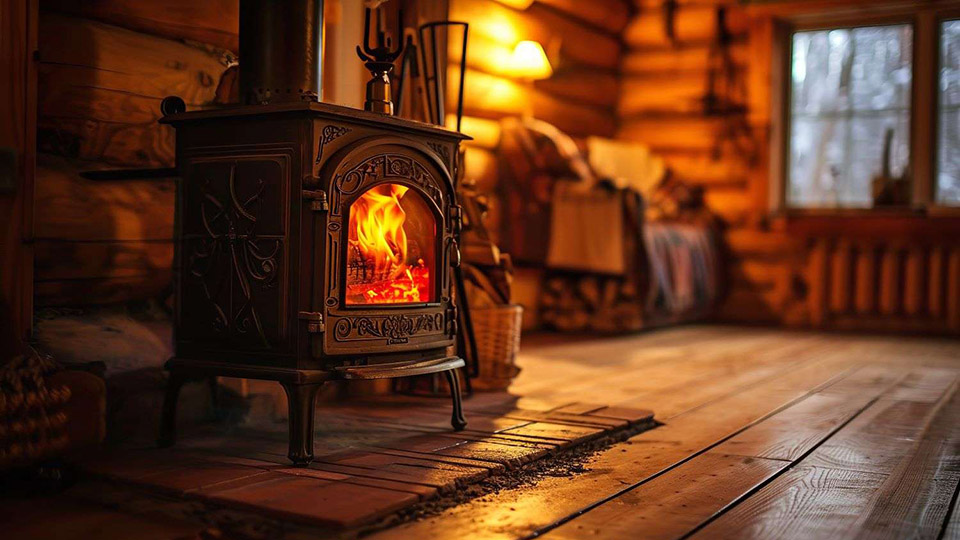
A wood stove, on the other hand, is a freestanding heating appliance designed to maximize combustion efficiency. The stove body is typically made of metal, and the sealed firebox allows heat to be effectively radiated throughout the room.
Because of this, wood stoves offer higher heating performance and use less firewood than fireplaces. Some models also allow you to use the top surface as a cooking or heating area, which makes them very practical.
Decorative Value as Interior Design (Fireplace vs. Wood Stove)
▷ Decorative Value of Fireplaces
Fireplaces are highly decorative and often serve as the visual centerpiece of a room. Fireplaces made with stone, brick, or wooden surrounds create a traditional, substantial feel and give the entire space a classic, timeless atmosphere.
Many fireplaces also have a mantelpiece above the opening. By placing ornaments or decorations on the mantel, you can further personalize the space and enhance the overall interior design.
When a fire is burning in the fireplace, it adds warmth and a calm, relaxing mood to the room, enriching the overall feel of the space.
▷ Decorative Value of Wood Stoves
Wood stoves tend to have simpler, more functional designs compared to fireplaces, and they blend easily with modern interiors or casual styles. Cast-iron or steel stoves often feature modern, clean lines and, while compact, still have a refined presence in the room.
Most wood stoves have a glass window in the door, allowing you to enjoy the sight of the flames just like with a fireplace, providing a similar visual comfort.
Slim, space-saving models are also available, making it easy to place a wood stove even in smaller rooms, while keeping the interior looking neat and uncluttered.
Summary of Decorative Differences
Fireplaces excel in decorative impact and ambiance, making them especially suitable for traditional, warm, and classic interiors.
Wood stoves, by contrast, often feature modern and functional designs, making them a good match for contemporary interiors or styles that prioritize practicality and efficiency.
By understanding the characteristics of each and choosing according to your room style and intended use, you can get the most interior design value out of either a fireplace or a wood stove.
In Episode 2 of “The Characteristics and Differences Between Fireplaces and Wood Stoves,” we will compare their relaxation effects and combustion efficiency.









